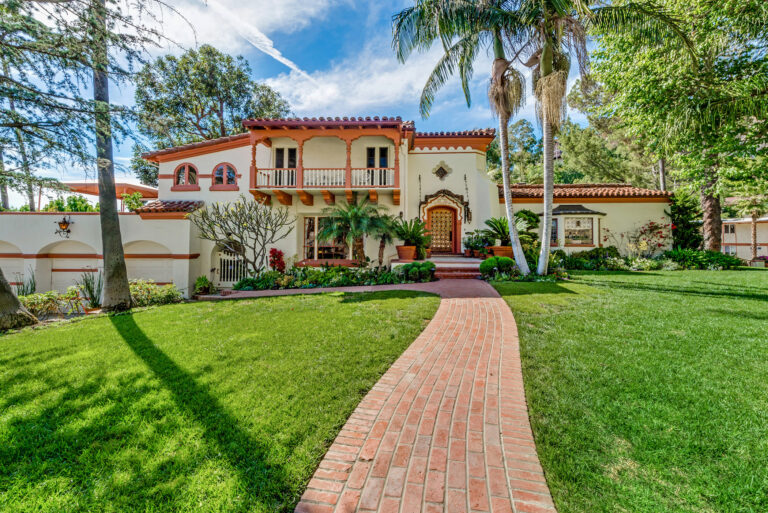
Luxury Estates Real Estate: Comprehensive Guide to High-End Property Market
Luxury estates represent the pinnacle of the property market, blending architectural brilliance, expansive layouts, exclusive amenities, and unrivaled locations. Unlike standard residential properties, luxury estates emphasize prestige, privacy, and personalization. These properties are often situated in sought-after areas such as oceanfronts, hilltops, or urban skylines, giving owners not just a home but a status symbol.
In the global context, luxury estates are also viewed as wealth preservation assets. Investors and homeowners often acquire these properties not only for lifestyle but also as a hedge against market fluctuations. The rarity of prime land and iconic design adds long-term value, making luxury estates one of the most resilient segments in real estate.
Key Characteristics of Luxury Estates
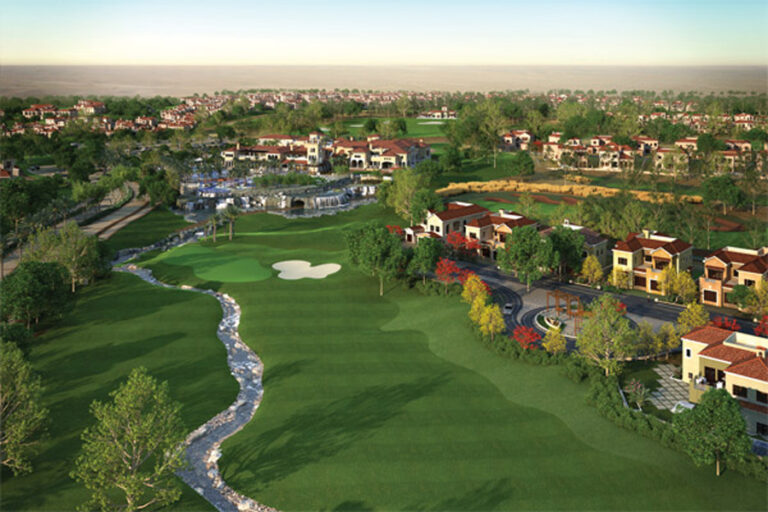
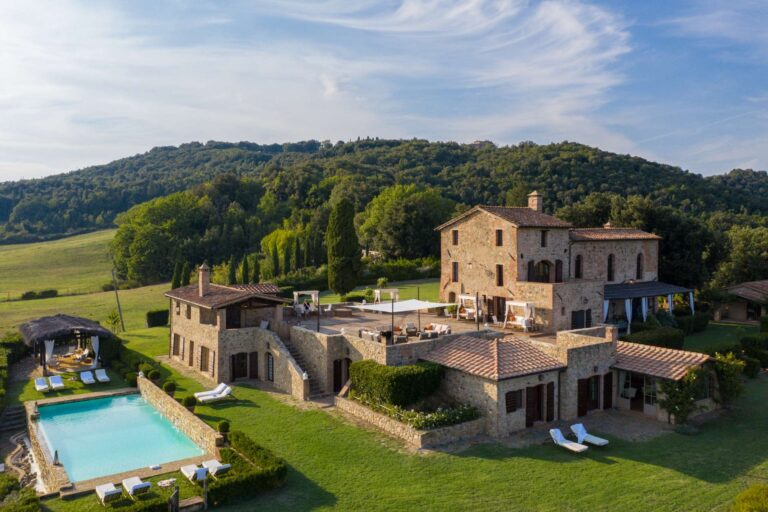
The defining features of luxury estate real estate are exclusivity, scale, and quality. These homes usually extend across vast square footage, offering multiple bedrooms, state-of-the-art kitchens, spa-like bathrooms, and curated outdoor spaces such as infinity pools and landscaped gardens.
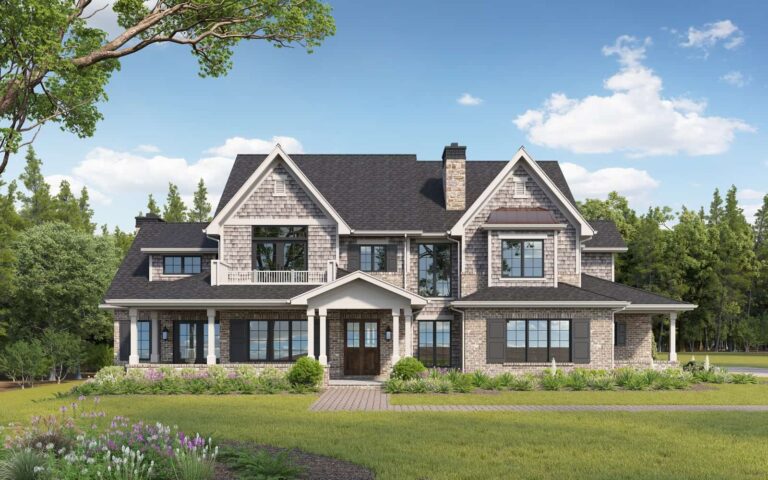
Another critical aspect is architectural distinction. Luxury estates often reflect bespoke design crafted by renowned architects. From Mediterranean villas to modernist mansions, these properties express artistry as much as functionality. The use of premium materials, sustainable building practices, and integration of smart technology elevates them into a class of their own.
Technology in Luxury Estates Real Estate
Technology plays a transformative role in shaping the modern luxury estate. Smart home systems, for instance, allow owners to control lighting, security, temperature, and entertainment with a single device. This integration not only provides convenience but also strengthens property security, a key concern among high-net-worth individuals.
Virtual tours and digital marketing platforms also revolutionize how luxury estates are showcased. Buyers from different parts of the world can now experience a property through immersive 3D walkthroughs before scheduling a private showing. For agents and developers, technology enhances storytelling, helping them highlight the estate’s lifestyle rather than just square footage.
Examples of Iconic Luxury Estates
The Beverly Hills Estate

Nestled in the heart of Los Angeles, The Beverly Hills Estate epitomizes luxury living. This property spans multiple acres, featuring manicured gardens, a private cinema, and a collection of art installations. It reflects the Hollywood lifestyle while offering privacy shielded by lush landscapes.
The estate’s architectural style blends modern design with timeless elegance, attracting celebrities and business moguls alike. Its location, close to global entertainment hubs, adds to its prestige and real estate value.
Villa Leopolda, French Riviera

Located in the Côte d’Azur, Villa Leopolda is one of the most renowned luxury estates in the world. Its history dates back to the early 20th century, and it has hosted some of Europe’s most influential figures. The estate boasts extensive gardens, historic architecture, and a panoramic view of the Mediterranean Sea.
What makes Villa Leopolda extraordinary is its cultural heritage combined with ultra-luxury amenities. It demonstrates how historical estates can be preserved while integrating modern conveniences, making it a benchmark in the luxury real estate market.
One Hyde Park, London

While traditional estates often focus on sprawling grounds, One Hyde Park offers a different perspective on luxury real estate. This high-rise development in central London delivers estate-like living with unparalleled views of Hyde Park and access to five-star hotel services.
Each residence is equipped with bulletproof glass, private wine cellars, and advanced home automation systems. It represents how luxury real estate adapts to urban contexts, redefining exclusivity in metropolitan environments.
The Hearst Estate, California

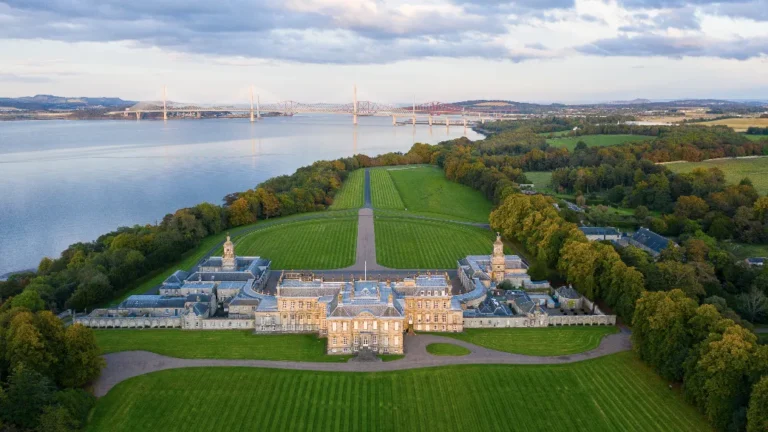
An architectural masterpiece, The Hearst Estate is famous not only for its grandeur but also for its historical significance. Built in the early 20th century, the estate includes expansive gardens, private pools, and classical European-inspired design. It has served as a filming location and hosted prominent cultural figures.
This estate highlights how luxury properties can become part of cultural heritage, blending personal living with historical importance. Its presence in California also underscores the appeal of estates in areas with both privacy and proximity to major cities.
Benefits of Owning a Luxury Estate
Owning a luxury estate offers more than a residence; it delivers lifestyle, security, and long-term value. The expansive layouts allow for custom entertainment spaces, private wellness retreats, and opportunities for hosting grand gatherings. Privacy is a critical benefit, with gated access, high-level security, and secluded locations offering peace of mind.
Financially, luxury estates often retain or grow in value due to their scarcity and prestige. Unlike standard homes, their exclusivity creates resilience in fluctuating markets. Many investors treat these properties as intergenerational assets, ensuring wealth preservation for decades.
Use Cases of Luxury Estates Real Estate
Lifestyle Enhancement
Luxury estates cater to individuals seeking personalized living experiences. Whether through private gyms, art galleries, or professional-grade kitchens, these homes allow owners to craft their environment around their passions and needs.
Investment Diversification
For high-net-worth investors, luxury estates act as a diversification strategy. These properties often outperform traditional assets during economic uncertainty, offering stability while also serving as a tangible, enjoyable asset.
Global Prestige
Luxury estates also serve as a statement of global presence. Owning properties in renowned locations like Beverly Hills, Monaco, or the French Riviera elevates one’s personal brand and influence in both social and professional circles.
Frequently Asked Questions
1. What qualifies a property as a luxury estate?
A luxury estate is defined by its exclusivity, size, architectural distinction, premium materials, and often its location. These properties go beyond functionality, focusing on lifestyle and prestige.
2. How does technology enhance luxury estate real estate?
Technology improves both marketing and living experiences. Virtual tours enable global exposure, while smart systems give homeowners control over security, climate, and entertainment.
3. Are luxury estates good investments?
Yes, luxury estates are typically resilient investments due to their rarity, exclusivity, and demand among affluent buyers. They can serve as both lifestyle assets and long-term wealth preservation tools.