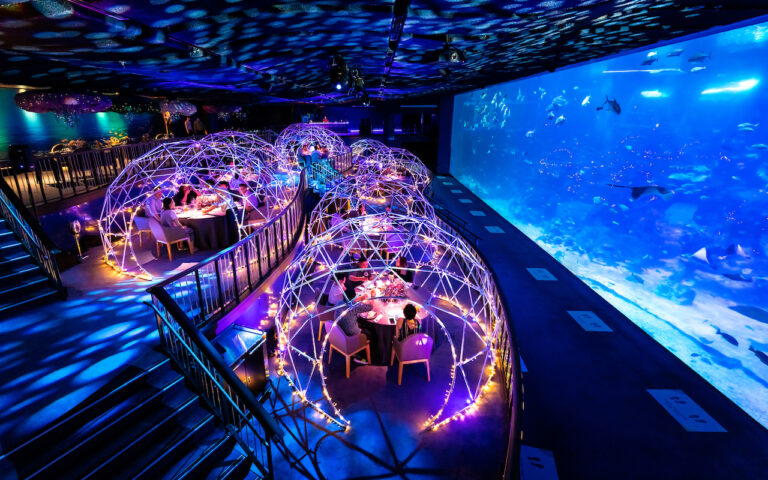
Star Wars Hotel: An Immersive Galactic Experience in Luxury Hospitality
The Star Wars Hotel, officially known as the Star Wars: Galactic Starcruiser, redefined what hospitality can mean by merging entertainment, luxury, and immersive storytelling into one unforgettable experience. Unlike traditional hotels, this concept transports guests into a galaxy far, far away, blending role-play, interactive technology, and themed environments into every corner.
This hotel was not simply a place to sleep; it was a two-night narrative journey where visitors became characters within the Star Wars universe. From the moment guests checked in, they were launched into a starcruiser adventure with missions, lightsaber training, and dining experiences aligned with galactic themes.
The Concept Behind the Star Wars Hotel
The Star Wars Hotel was more than themed décor; it was a living story. Guests were encouraged to interact with staff members who acted as in-universe characters, forging alliances and participating in missions that impacted the storyline.
The concept was revolutionary in hospitality because it merged elements of gaming, theater, and traditional luxury accommodation. It allowed visitors to escape reality and live out their Star Wars dreams within a carefully curated environment that prioritized both narrative depth and comfort.
Key Features of the Star Wars Hotel
Immersive Design and Architecture
Every space inside the Star Wars Hotel was designed to reflect life aboard a galactic starcruiser. Corridors resembled spaceship interiors, windows displayed interstellar views, and cabins featured futuristic yet functional designs.
The attention to detail extended to interactive lights, sound effects, and ship-like controls within rooms, making the immersion complete. Guests didn’t just visit a hotel, they inhabited a world.
Story-Driven Experiences
The Star Wars Hotel was unique in its emphasis on narrative. Guests weren’t passive observers; they were participants. Missions with Resistance members, encounters with the First Order, and Jedi training sessions made the stay feel like a personal adventure.
This storytelling approach elevated the hotel beyond typical themed resorts, offering a blend of fantasy and luxury unmatched in the hospitality industry.
The Role of Technology in the Star Wars Hotel
Interactive Entertainment Systems
Technology powered the immersion of the Star Wars Hotel. Cabins had “windows” that displayed space battles or planetary landscapes. Holographic communications, droids, and interactive consoles added layers of authenticity to the galactic environment.
This seamless integration of advanced technology ensured that the illusion never broke, allowing guests to fully believe they were aboard a starcruiser.
Smart Hospitality Integration
The hotel also incorporated smart features common in luxury resorts. Guests could control cabin lighting, sound, and temperature using futuristic interfaces designed to resemble ship controls. This gave a sense of agency while enhancing comfort.
The combination of narrative-driven tech and luxury hotel innovation demonstrated how technology can transform themed hospitality into something experiential rather than static.
Real-World Examples of Themed Hospitality Inspired by the Star Wars Hotel
Star Wars: Galaxy’s Edge at Walt Disney World
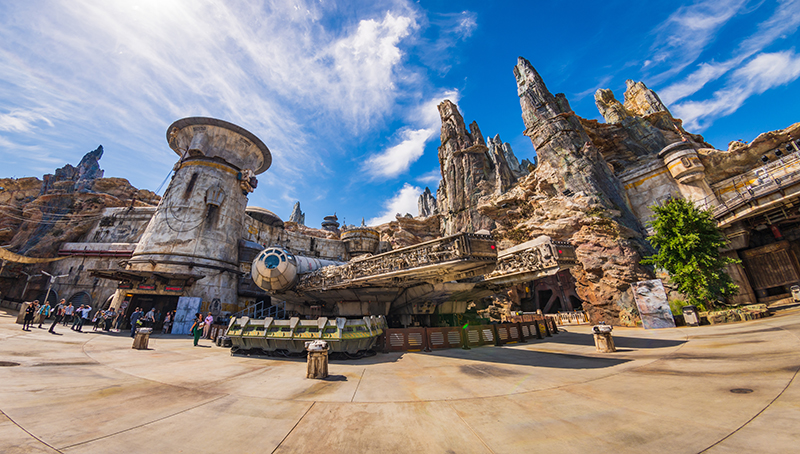
Though not a hotel, Galaxy’s Edge serves as an extension of the Star Wars immersive world. Guests step into Batuu, interact with characters, and experience attractions like Millennium Falcon: Smugglers Run. It shares the same philosophy as the hotel, making visitors part of the story rather than simple spectators.
This example illustrates how themed environments can revolutionize visitor engagement by merging storytelling with physical space.
Wizarding World of Harry Potter (Universal Orlando)
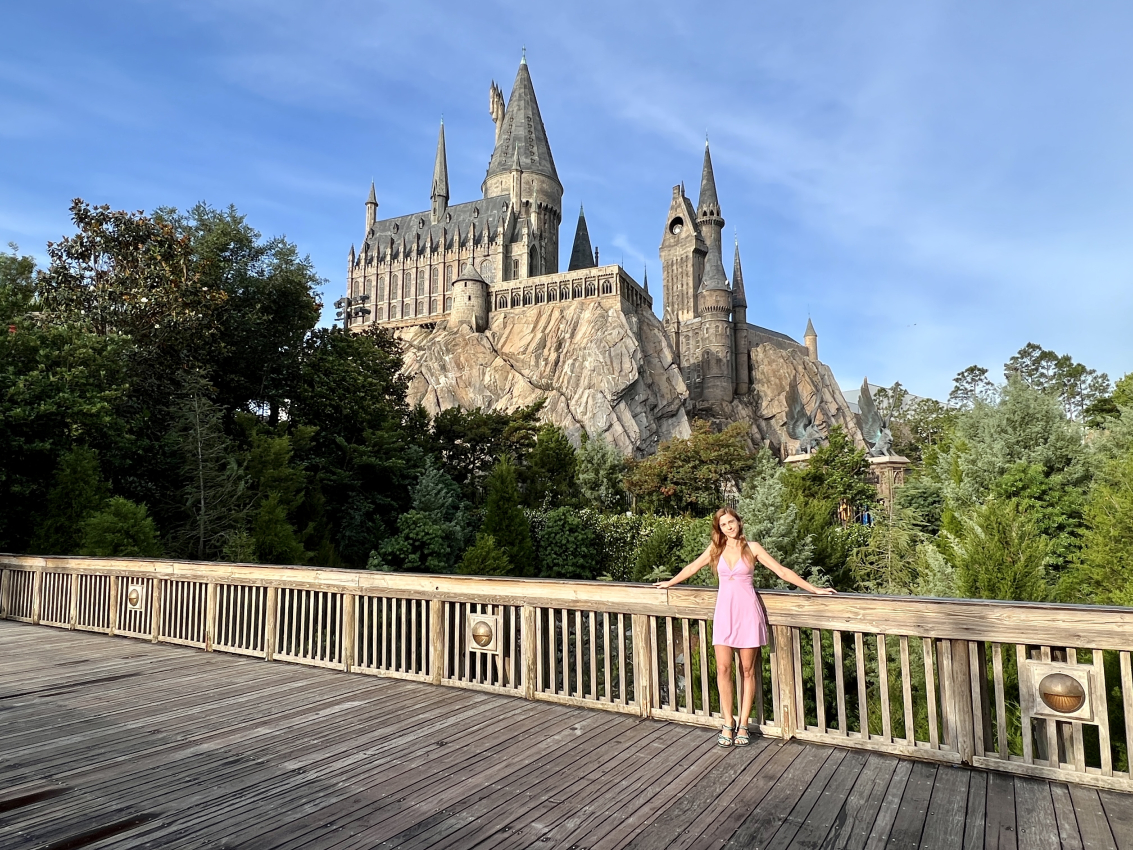
Similar to the Star Wars Hotel, Universal Orlando’s Wizarding World blurs the line between fiction and reality. From Hogwarts Castle to Diagon Alley, guests live inside the Harry Potter universe through design, character interaction, and attractions.
It shows how immersive environments can create global fandom-driven destinations that go beyond entertainment to become cultural icons.
Tokyo DisneySea’s Themed Luxury Hotels
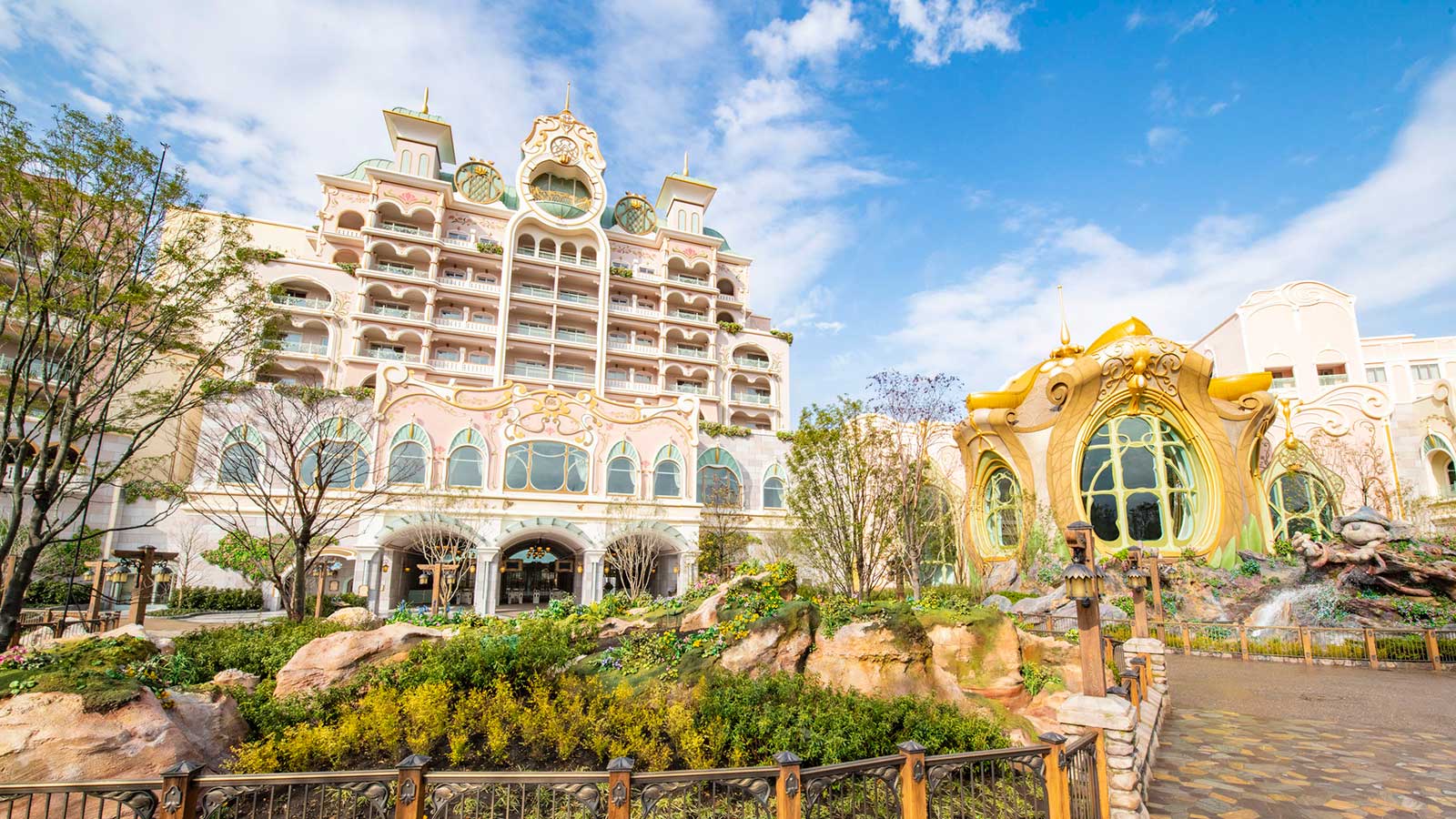
Tokyo DisneySea integrates storytelling into its luxury hotels, offering themed accommodations that enhance park experiences. From Venetian-inspired waterways to fantasy-driven dining, the integration of narrative and luxury living echoes the Star Wars Hotel model.
This demonstrates the global trend of themed hospitality where design, narrative, and luxury merge.
Icehotel in Jukkasjärvi, Sweden

The Icehotel provides an entirely different yet relevant example. Guests sleep inside ice sculptures and live in an environment that blends art, storytelling, and survival experience. Although not based on a movie franchise, it captures the essence of immersive hospitality similar to the Star Wars Hotel.
Atlantis The Palm, Dubai
Atlantis merges ocean-themed luxury with immersive attractions like aquariums and underwater suites. Like the Star Wars Hotel, it blurs the boundary between lodging and adventure, ensuring guests enjoy experiences beyond standard hospitality.
Benefits of Immersive Hospitality Like the Star Wars Hotel
Immersive hotels offer significant advantages over traditional accommodations:
-
Unparalleled Guest Engagement: Guests feel part of a larger story, creating lasting memories.
-
Brand Loyalty: Stronger fan engagement leads to repeat visits and dedicated communities.
-
Innovative Technology Use: Integrating smart systems and immersive design enhances the luxury experience.
-
Market Differentiation: These hotels stand out in a competitive market by offering more than lodging—they provide experiences.
-
Emotional Connection: By tapping into beloved franchises, immersive hotels create deep emotional ties with guests.
Use Cases of the Star Wars Hotel Concept
Case 1: Families Seeking Interactive Vacations
Families benefited from the Star Wars Hotel because it provided multi-generational entertainment. Parents and children could share missions, explore narratives, and create bonding moments within the immersive world.
Case 2: Franchise Fans Living Their Dreams
Die-hard Star Wars fans found the hotel to be more than lodging; it was wish-fulfillment. For them, stepping into the Star Wars universe was an emotional journey that no other hospitality model could replicate.
Case 3: Hospitality Industry Innovation
The Star Wars Hotel became a case study for hoteliers seeking to innovate. It demonstrated how themed environments combined with luxury can redefine the meaning of guest experiences.
Case 4: Event and Experience Tourism
The concept also tied into the growing trend of experience-based tourism. Travelers sought not only places to visit but stories to live, and the Star Wars Themed Hotel was a perfect example of fulfilling that demand.
Conclusion
The Star Wars Themed Hotel, though unique in execution, redefined immersive hospitality by blending storytelling, technology, and luxury. It showed how hotels can evolve from service providers to narrative-driven experiences that captivate guests emotionally and physically.
While its operations were short-lived, its legacy continues to influence the future of themed resorts and experiential travel worldwide.
Frequently Asked Questions
1. What was the Star Wars Themed Hotel experience like?
Guests stayed for two nights in an immersive, story-driven adventure. They interacted with characters, participated in missions, trained with lightsabers, and dined in themed environments.
2. Why was the Star Wars Hotel considered unique in the hospitality industry?
It merged luxury lodging with live-action role-play, cutting-edge technology, and storytelling, offering guests an experience unlike any traditional hotel.
3. How has the Star Wars Hotel influenced future hospitality trends?
The concept inspired the hospitality industry to focus more on immersive, narrative-driven experiences, blending technology, luxury, and themed entertainment into future developments.